By SHANGHAI MATRIX INDUSTRIAL GROUP CO., LTD. / Brass Processing / 6 min read
Brass Valley: A Guide to Copper and Brass Alloy Processing
Brass is a copper-zinc alloy containing 50 to 95 percent copper and 50 to 5 percent zinc. For procurement teams comparing brass suppliers, "Brass Valley" functions as a sourcing and processing hub context, not
Quick Answer
Brass is a copper-zinc alloy containing 50 to 95 percent copper and 50 to 5 percent zinc. For procurement teams comparing brass suppliers, "Brass Valley" functions as a sourcing and processing hub context, not a formal material grade or certification. The specification that matters is the Copper Development Association (CDA) designation, the measured copper
Key Takeaways
- Copper content: 50–95% Cu, balance Zn
- Grade bracket: Cartridge brass ~30% Zn, yellow brass ~35% Zn, Muntz metal 40% Zn
- Lead addition: Leaded brass if machining is critical
- Trade-name control: Chemical composition, not "bronze" label
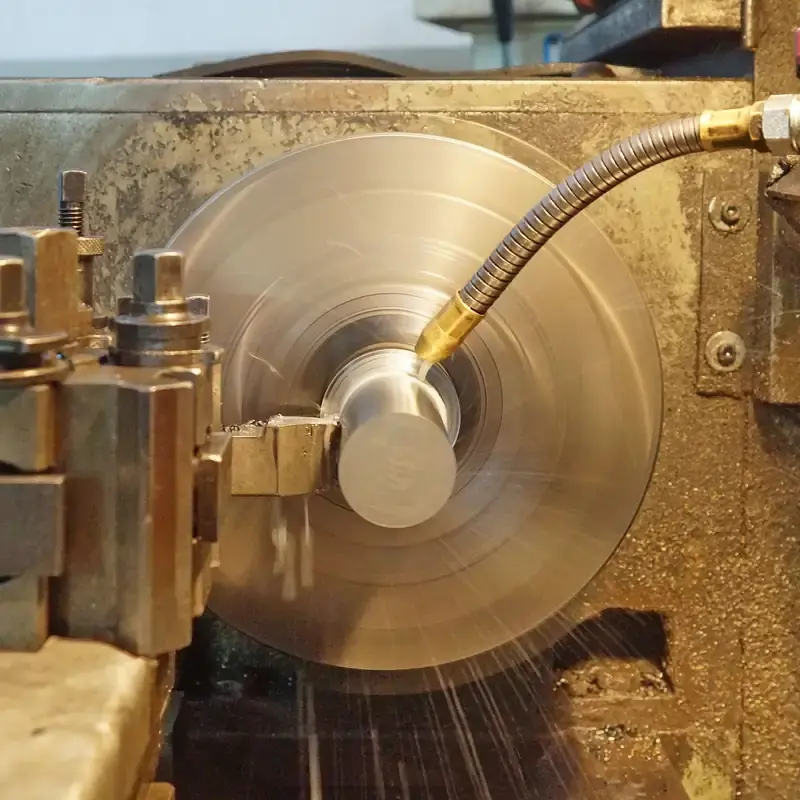
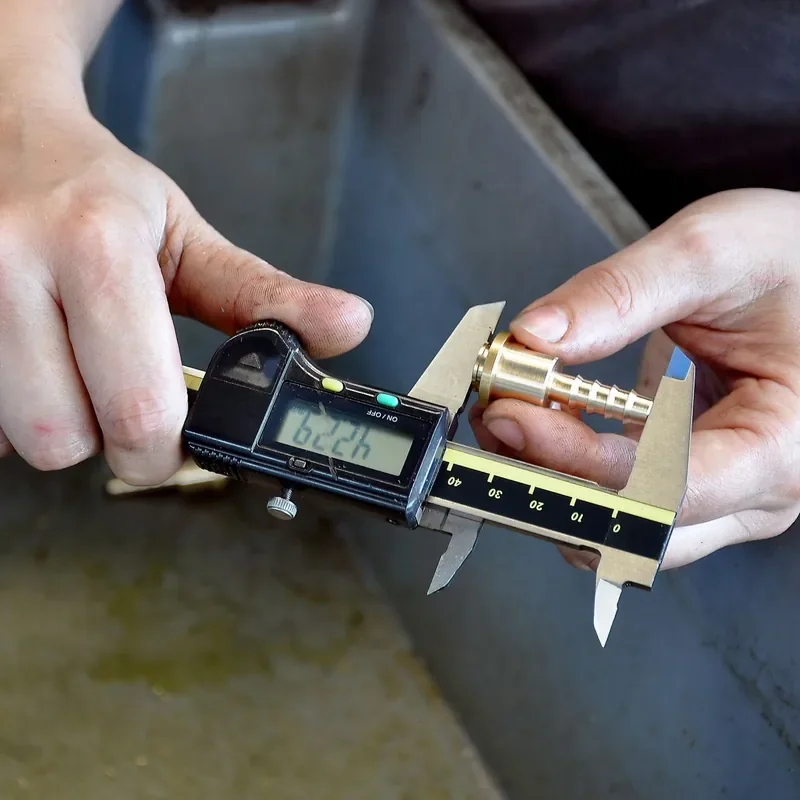
Brass is a copper-zinc alloy containing 50 to 95 percent copper and 50 to 5 percent zinc. For procurement teams comparing brass suppliers, "Brass Valley" functions as a sourcing and processing hub context, not a formal material grade or certification. The specification that matters is the Copper Development Association (CDA) designation, the measured copper percentage, the zinc bracket, the presence of intentional lead, and the product form.
Executive Summary: Brass Valley Buyer Takeaways
| Decision point | What to specify or check | Why it matters |
|---|---|---|
| Alloy designation | CDA designation and wrought form | Copper and copper alloys are designated according to CDA; avoid trade-name ambiguity |
| Copper content | 50–95% Cu, balance Zn | Brass composition range defines grade classification |
| Grade bracket | Cartridge brass ~30% Zn, yellow brass ~35% Zn, Muntz metal 40% Zn | Standard brass types help normalize RFQ language |
| Lead addition | Leaded brass if machining is critical | Intentional lead improves machining characteristics |
| Trade-name control | Chemical composition, not "bronze" label | Some materials sold as bronze are simple brass |
| Processing capability | Basics, materials, selection, coatings, tooling | Specialty alloy processing review categories |
Copper-Zinc Chemistry: What the Grade Name Tells You
Brass is governed by a copper-zinc binary. The composition range is 50 to 95 percent copper and 50 to 5 percent zinc. Above 30 percent zinc, the material is called high brass or yellow brass; below 20 percent zinc, it is called low brass.
Many trade names sound specific but are only broad grade brackets. The table below lists standard brass types by zinc bracket. The copper balance shown is a nominal arithmetic value, not a substitute for a mill certificate.
| Trade name / grade bracket | Zinc content | Nominal copper balance | Sourcing note |
|---|---|---|---|
| Gilding metal | <5% Zn | >95% Cu | Low-zinc end of brass-type list; confirm CDA designation |
| Commercial bronze | ~10% Zn | ~90% Cu | Name is not a true bronze guarantee |
| Jewelry bronze | ~12.5% Zn | ~87.5% Cu | Confirm exact chemistry from mill |
| Red brass | ~15% Zn | ~85% Cu | Grade bracket, not a casting specification |
| Low brass | ~20% Zn | ~80% Cu | Below 20% Zn is "low brass" |
| Cartridge brass | ~30% Zn | ~70% Cu | Compare with C260 requests |
| Yellow brass | ~35% Zn | ~65% Cu | Above 30% Zn is "yellow brass" or "high brass" |
| Muntz metal | 40% Zn | ~60% Cu | High-zinc end of listed brass types |
Brass vs Bronze: Trade-Name Risk in Supplier Comparison
Historically, bronze was essentially a copper-tin alloy, while brass was copper-zinc; later additions of other metals improved strength, corrosion resistance, or appearance. That distinction still matters because commercial trade names are imprecise.
"Architectural bronze" is essentially a simple leaded brass used for decorative purposes. "Bronze screen wire cloth" is a simple brass containing 90 percent copper and 10 percent zinc. There is no metallurgical justification for calling such material bronze.
For brass suppliers and buyers, the failure mode is clear: a product can enter the supply chain under a bronze-sounding trade name and fail the intended material specification. Buyers should specify chemical composition and CDA alloy designation, not only a trade name.
Standard Processing, Grades, and Supplier Capability Checks
Copper and copper alloys are designated according to the Copper Development Association, and the classification includes wrought alloys. State whether the required product is wrought and request the applicable CDA designation from the mill or distributor.
A practical supplier-qualification review for specialty alloys covers five categories: basics, materials, selection, coatings, and tooling. These categories are a checklist, not an alloy specification. For each category, request documented process capability rather than a general statement.
Leaded brass is brass with an intentional admixture of lead for improving machining characteristics. If the part will be machined, state whether leaded brass is required and request the measured lead content. If lead-free material is required, make that explicit. Confirm the applicable wrought designation and processing route before award.
Brass C260 and the Percentage of Cu in Brass
In many procurement documents, brass C260 is compared with cartridge brass. The brass-type classification in the knowledge base lists cartridge brass at about 30 percent zinc. A brass with 30 percent zinc would have a nominal copper balance of about 70 percent. A nominal percentage of cu in brass does not prove a specific mill's C260 chemistry. Buyers should request the actual CDA designation, measured copper and zinc values, and allowable impurity limits from brass suppliers before accepting a quote.
The broader composition rule is that brass contains 50 to 95 percent copper and 50 to 5 percent zinc. The percentage of cu in brass is not fixed across all brass grades; it moves from above 95 percent in gilding metal to about 60 percent in a 40 percent zinc Muntz metal bracket. For RFQ clarity, quote both the desired grade bracket and the required copper range or minimum copper content.
RFQ Readiness Checklist for Brass Valley Buyers
Use the following checklist before issuing a request for quotation to brass suppliers:
- State the CDA alloy designation and whether the required product is wrought.
- Specify the required zinc bracket and copper range, not only a trade name.
- State whether leaded brass is required for machining and the acceptable lead range.
- Confirm product form, temper, dimensions, tolerances, and surface condition.
- Reject bronze-sounding trade names unless the chemical composition confirms brass.
- Request a mill certificate with measured copper and zinc values, not a nominal grade label.
A complete Brass Valley-style RFQ should ask suppliers to confirm the processing route and quality documentation for the exact CDA grade, rather than offering a generic "brass" quote.
FAQ: Brass Grades and Supplier Qualification
1. What is the percentage of Cu in brass?
Brass contains 50 to 95 percent copper and 50 to 5 percent zinc. The exact percentage of cu in brass depends on the grade bracket. Gilding metal contains less than 5 percent zinc, so copper is above 95 percent; Muntz metal at 40 percent zinc has a nominal copper balance near 60 percent.
2. What is brass C260?
Brass C260 is commonly associated with cartridge brass in purchasing documents. The brass-type classification lists cartridge brass at about 30 percent zinc, implying a nominal copper balance near 70 percent. Buyers should still request the CDA designation and measured chemistry.
3. What is the difference between brass and bronze?
Historically, bronze was essentially copper-tin and brass was copper-zinc. Some commercial products are mislabeled: "architectural bronze" is essentially a simple leaded brass, and "bronze screen wire cloth" is a simple brass containing 90 percent copper and 10 percent zinc. Chemical composition is the reliable basis for classification.
4. What should I include in an RFQ to brass suppliers?
Include the CDA designation, wrought or cast form, copper and zinc ranges, lead requirements if machining is critical, product form, temper, dimensions, tolerances, and required mill documentation.
5. What is leaded brass?
Leaded brass is brass containing an intentional admixture of lead for improving machining characteristics. If the part requires extensive machining, specify leaded brass and request the measured lead content.
6. How do I compare brass suppliers effectively?
Compare suppliers on CDA designation control, documented processing capability, measured chemistry, and willingness to provide a mill certificate. A processing review should cover basics, materials, selection, coatings, and tooling. Trade names alone are insufficient.
FAQ
Questions this article should answer
What is the percentage of Cu in brass?
Brass contains 50 to 95 percent copper and 50 to 5 percent zinc. The exact percentage of cu in brass depends on the grade bracket. Gilding metal contains less than 5 percent zinc, so copper is above 95 percent; Muntz metal at 40 percent zinc has a nominal copper balance near 60 percent.
What is brass C260?
Brass C260 is commonly associated with cartridge brass in purchasing documents. The brass-type classification lists cartridge brass at about 30 percent zinc, implying a nominal copper balance near 70 percent. Buyers should still request the CDA designation and measured chemistry.
What is the difference between brass and bronze?
Historically, bronze was essentially copper-tin and brass was copper-zinc. Some commercial products are mislabeled: "architectural bronze" is essentially a simple leaded brass, and "bronze screen wire cloth" is a simple brass containing 90 percent copper and 10 percent zinc. Chemical composition is the reliable basis for classification.
What should I include in an RFQ to brass suppliers?
Include the CDA designation, wrought or cast form, copper and zinc ranges, lead requirements if machining is critical, product form, temper, dimensions, tolerances, and required mill documentation.
What is leaded brass?
Leaded brass is brass containing an intentional admixture of lead for improving machining characteristics. If the part requires extensive machining, specify leaded brass and request the measured lead content.
How do I compare brass suppliers effectively?
Compare suppliers on CDA designation control, documented processing capability, measured chemistry, and willingness to provide a mill certificate. A processing review should cover basics, materials, selection, coatings, and tooling. Trade names alone are insufficient.